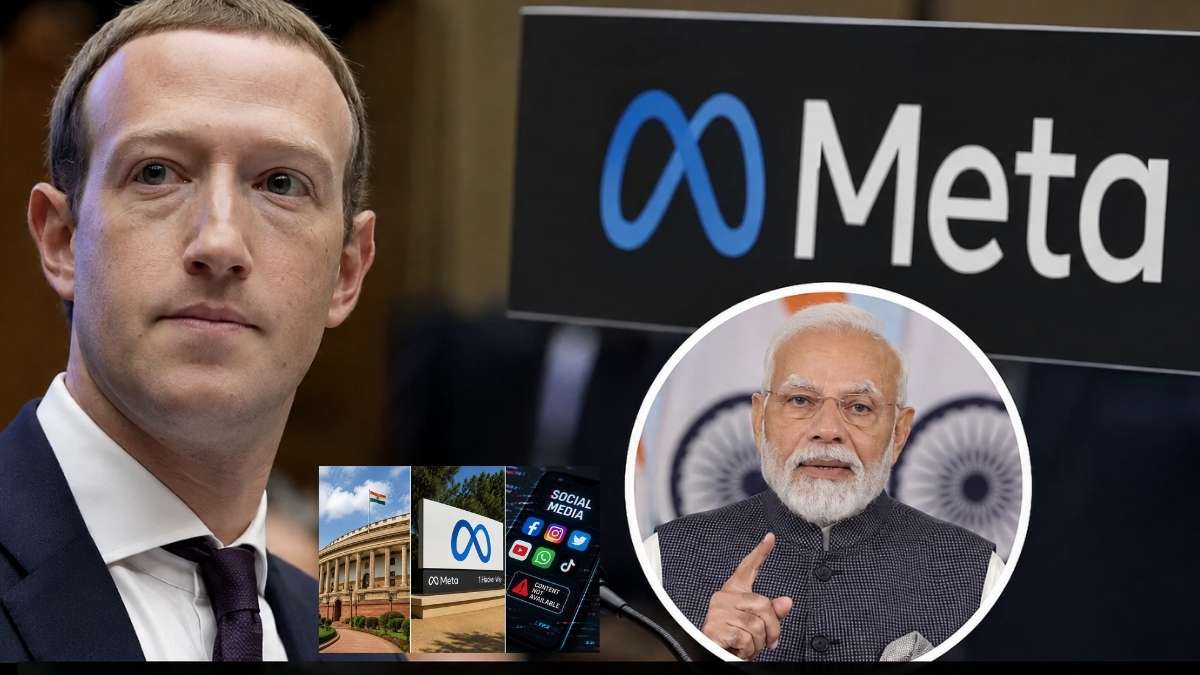


India's debate with Meta has become bigger than one disputed moderation decision. As artificial intelligence makes it easier to create realistic images, videos and audio, governments and users are asking a difficult question: how can a social-media platform identify harmful manipulated content without mistakenly suppressing legitimate speech?
Recent reporting discussed in the earlier research points to renewed scrutiny of Meta's systems for handling deepfakes and manipulated material. The concern is understandable. A fabricated video involving a politician, celebrity or public institution can travel across social networks in minutes. By the time a correction appears, the original clip may already have been downloaded, edited and reposted thousands of times.
Meta and other large platforms rely heavily on automated systems because the volume of content is far beyond what human moderators alone can review. Machine-learning models can identify patterns associated with spam, graphic material, scams, impersonation and other policy violations. But automated systems can also make mistakes. A legitimate post may be flagged, while a sophisticated piece of manipulated content may initially evade detection.
This is where human review and appeals become important. Users need a way to challenge decisions, and platforms need processes for correcting mistakes quickly. The problem becomes especially sensitive when a moderation error involves political speech or a public official, because the consequences can extend beyond an individual account.
Deepfakes create a separate challenge because they are not always obviously fake. Older manipulated videos often contained visible editing mistakes. Modern generative tools can produce convincing facial movements, voices and backgrounds. A viewer who sees a short clip without context may have little reason to suspect that it has been altered.
India's concerns also sit within a broader debate about intermediary responsibility. Social platforms are expected to follow applicable legal requirements and maintain mechanisms for addressing unlawful or harmful content. At the same time, governments must balance enforcement with freedom of expression and due process.
For ordinary users, the strongest defence remains a combination of technology and scepticism. Do not assume that a video is genuine simply because it looks professional. Check whether the same statement has been reported by multiple reputable organisations. Look for the original upload, examine the date and context, and be especially cautious when a clip appears designed to provoke immediate anger or excitement.
Political deepfakes are particularly dangerous because they can exploit existing divisions. A false statement attributed to a leader may influence public opinion even after it is debunked. The same principle applies to fabricated celebrity endorsements, fake financial advice and impersonation scams.
The responsibility therefore does not sit with one group. Platforms need better detection, transparent enforcement and meaningful appeals. Regulators need clear and predictable rules. News organisations need careful verification. Users need digital literacy. Each layer reduces the chance that a false piece of content becomes accepted as fact.
The Meta debate also highlights an uncomfortable reality about the AI era: content moderation will never be perfect. The goal is not to create a platform where no mistake ever occurs. The goal is to make mistakes less frequent, corrections faster, enforcement more transparent and dangerous content harder to amplify.
As India becomes one of the world's largest digital markets, the country's relationship with global platforms will remain important. The deepfake issue is therefore not simply a technology story. It is about trust, democratic communication, privacy and the rules that govern the digital public square.